
Understanding the psychology behind gambling why risk and reward keep players engaged
The Allure of Risk and Reward
Gambling attracts players through the intrinsic appeal of risk and reward. The anticipation of winning a significant amount of money can trigger intense emotions and excitement. This emotional high often makes individuals more likely to engage in gambling activities, as the potential for large rewards overrides the inherent risks. The brain’s dopamine system plays a critical role in this process, reinforcing behaviors associated with risk-taking by creating pleasurable sensations. For those looking for an exciting casino experience, visiting https://casoola-official.com/ can be an option worth considering.
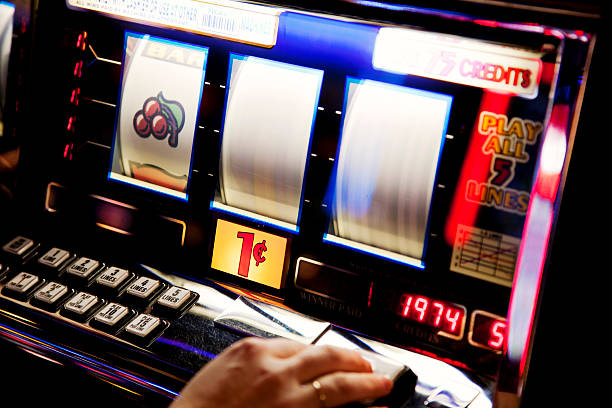
Furthermore, the structure of many gambling games, such as slot machines or poker, enhances this allure. These games are designed to create a balanced ratio of wins to losses, ensuring that players frequently experience small victories. This reinforcement strategy can lead to a continued investment of time and money, as players chase the next high or major win. The unpredictability of outcomes keeps the excitement levels high, further encouraging engagement.
Ultimately, the balance of risk and reward is a significant factor in the psychology of gambling. Players often find themselves drawn in, despite knowing the odds may not be in their favor. This conflict between rational thought and emotional impulse creates a powerful dynamic, leading players to chase the thrill of potential rewards, even when it may not be in their best interest.
The Role of Cognitive Biases
Cognitive biases significantly influence the decision-making process in gambling. Many players fall victim to the “gambler’s fallacy,” which is the belief that past losses can influence future outcomes. For instance, if a player experiences several losses, they might think that a win is due soon. This misjudgment can encourage continued participation in gambling, as the individual becomes convinced that they are on the verge of a winning streak.
Another common cognitive bias is the illusion of control, where gamblers believe they can influence the outcome of a random event. This is particularly evident in games like poker, where players feel their skill can dictate results. However, the truth is that many gambling scenarios are driven by chance. This misperception can lead to an overestimation of one’s capabilities, further perpetuating engagement in gambling.
Recognizing these cognitive biases is crucial in understanding why players become deeply involved in gambling. The interplay of irrational thinking and the desire for reward creates a cycle that can be challenging to break. As players navigate these mental pitfalls, they may find themselves investing more time and resources, often neglecting the long-term consequences of their actions.
Emotional Factors in Gambling
Emotions play a vital role in the gambling experience, influencing both the motivation to gamble and the behaviors exhibited during gameplay. Many individuals engage in gambling as a form of escapism, using it to cope with stress, anxiety, or boredom. This emotional relief can be short-lived, but the initial rush serves to attract players back into the gambling environment time and again.
Additionally, the concept of “near misses” can heighten emotional engagement. In many games, players often experience near victories that stimulate feelings of hope and excitement. These near misses can lead players to believe they were close to winning and that future attempts might yield success. This emotional rollercoaster keeps players engaged, as they search for that elusive win that feels just within reach.
Ultimately, gambling becomes more than just a financial transaction; it evolves into an emotional journey. The highs and lows, combined with the thrill of potential rewards, create a compelling and addictive experience. Understanding these emotional undercurrents is essential for recognizing why individuals may find themselves drawn into gambling activities repeatedly, despite the risks involved.
Social Influences and Peer Pressure
The social aspect of gambling also plays a significant role in its appeal. Many individuals are introduced to gambling through social settings, such as parties, gatherings, or trips to casinos with friends. This communal aspect not only makes gambling more enjoyable but also fosters a sense of belonging. Engaging in gambling with peers can amplify the excitement and provide a collective experience that enhances emotional fulfillment.
Peer pressure can also impact gambling behavior significantly. In social environments where gambling is normalized, individuals may feel compelled to participate to fit in or avoid being perceived as missing out. This social conditioning can lead to increased gambling frequency and intensity, as the desire for social acceptance often overshadows individual risk assessment.
Moreover, social media has introduced a new dimension to gambling interactions. With the rise of online gambling platforms, players can share their experiences and wins, further enticing others to join in. This virtual peer influence can create an illusion of widespread success, encouraging new players to engage in gambling with the belief that they too can achieve similar outcomes. The social dynamics surrounding gambling are complex and contribute significantly to its psychological hold on individuals.
The Importance of Responsible Gambling
As the allure of gambling continues to grow, promoting responsible gambling practices is more crucial than ever. Awareness of the psychological factors that keep players engaged can help individuals make informed decisions about their gambling behaviors. Initiatives aimed at educating players about the risks, along with resources for support, can aid in minimizing negative consequences associated with gambling addiction.
Responsible gambling involves understanding the odds and recognizing when to stop. Players should set limits on their spending and time to avoid falling into the cycle of chasing losses. Being mindful of cognitive biases and emotional triggers can empower individuals to maintain control over their gambling habits and ensure that they engage in gambling for entertainment rather than as a coping mechanism.
Creating a culture of responsible gambling requires collaboration between individuals, gambling institutions, and regulatory bodies. By prioritizing education and support, we can foster a healthier relationship with gambling, allowing players to enjoy the experience without compromising their well-being.
Website Role in Promoting Gambling Awareness
The website serves as an important platform for educating users about the psychological aspects of gambling and the importance of responsible practices. By providing comprehensive insights into the motivations behind gambling, the site aims to empower individuals to make informed decisions and understand the risks involved. Awareness is the first step towards healthier gambling habits.
In addition to educational content, the website also offers resources and support options for those who may be struggling with gambling-related issues. By encouraging open discussions and providing access to helpful tools, the site plays a crucial role in promoting mental well-being within the gambling community. It invites users to reach out and share their experiences, fostering a sense of solidarity and understanding.
Ultimately, the website is dedicated to creating a safe online space where users can learn about the intricacies of gambling psychology. By enhancing understanding and promoting responsible gambling practices, it seeks to mitigate the negative consequences often associated with gambling while supporting individuals on their journeys toward healthier habits.